Relationship & Attachment Trauma Therapy in Houston, Texas
Online Trauma Therapy for people confused & frustrated by the way they show up in relationships
Services available throughout Texas & Massachusetts


Attachment Trauma Therapy Helps You Make Sense of Your Patterns
Human beings are wired for connection. When early relationships are safe and consistent, we develop a sense of security and trust. When they are unpredictable, neglectful, critical, or emotionally unsafe, we can carry relational trauma and attachment wounds into adulthood. I work with clients that over think constantly in their relationships or chronically people please. Often times these clients don’t realize that these behaviors might have developed from attachment trauma or emotional neglect.
If you’re searching for attachment trauma therapy in Houston, Texas because relationships feel overwhelming, triggering, or exhausting, you’re not broken. Your nervous system has adapted to survive. And it can learn something new.
What Is Relational Trauma?
Relational trauma happens when the people we depended on for safety, care, or emotional support become a source of fear, shame, abandonment, or chronic stress.
Unlike a single incident trauma, relational trauma often develops over time and may include:
✦ Emotional neglect or chronic invalidation
✦ Inconsistent or unpredictable caregiving
✦ Criticism, shaming, or conditional love
✦ Parentification
✦ Betrayal or abandonment
✦ Controlling or emotionally unsafe dynamics
Because these wounds occur in close relationships, they shape how you see yourself and what you expect from others.
If you’re noticing these patterns in your current relationships, relationship trauma therapy can help you understand and shift them.


How do I know if I have Attachment Wounds?
Attachment wounds are the emotional imprints left when your need for safety, attunement, and connection wasn’t consistently met.
They often show up as:
✦ Fear of abandonment
✦ Difficulty trusting
✦ Feeling “too much” or “not enough”
✦ Overfunctioning or people‑pleasing
✦ Emotional withdrawal
✦ Anxiety when closeness increases
✦ Strong reactions to conflict or perceived rejection
These patterns were adaptive, they helped you survive, but they may now be keeping you stuck in cycles that no longer serve you.
Signs You May Benefit from Therapy for Attachment Trauma
Many high‑functioning adults seek attachment trauma therapy not because they’re falling apart, but because they’re exhausted from holding it together.
✦ Overthink and replay conversations
✦ Feel easily triggered by “small” things
✦ Struggle to trust safe people
✦ Choose familiar but unhealthy relationships
✦ Constantly apologize or blame yourself
✦ Avoid conflict or shut down emotionally
✦ Feel anxious, ashamed, numb, or on edge
✦ Say, “I should be over this by now”
Trauma isn’t just what happened. It’s how your nervous system learned to survive it.

How Attachment Trauma Therapy in Houston, Texas Helps
Healing from relational trauma isn’t about rehashing the past endlessly. It’s about helping your nervous system recognize that you’re no longer in danger.
In our work together, we:
✦ Move at your own pace
✦ Address emotional patterns and nervous system responses
✦ Identify triggers and relationship dynamics
✦ Work with protective parts like overthinking or shutting down
✦ Build grounding and regulation skills
✦ Strengthen boundaries and self-trust
✦ Gently shift long-standing attachment patterns
The therapeutic relationship becomes a space for experiencing consistency, safety, and secure connection, the foundation of attachment healing.
Attachment Trauma Therapy that goes beyond coping skills

✦ Feel safer in your body
✦ Break repeating relationship cycles
✦ Reduce emotional reactivity
✦ Quiet the inner critic
✦ Set boundaries without guilt
✦ Experience intimacy without fear
✦ Feel connected without abandoning yourself
Meet Holly Lark, Attachment Trauma Therapist in Houston, Texas
Hi, I’m Holly, and I provide online attachment trauma therapy for adults in Houston, Texas who are ready to heal relational trauma and attachment wounds. My priority is helping you feel safe, not rushed, not judged, and never pressured to go somewhere you’re not ready to go.
Your reactions make sense. Your nervous system has adapted to protect you. Together, we help it soften.
Trauma therapy with me is collaborative, steady, and grounded in nervous system awareness. We focus on helping you feel more regulated, more secure in relationships, and more connected to yourself.
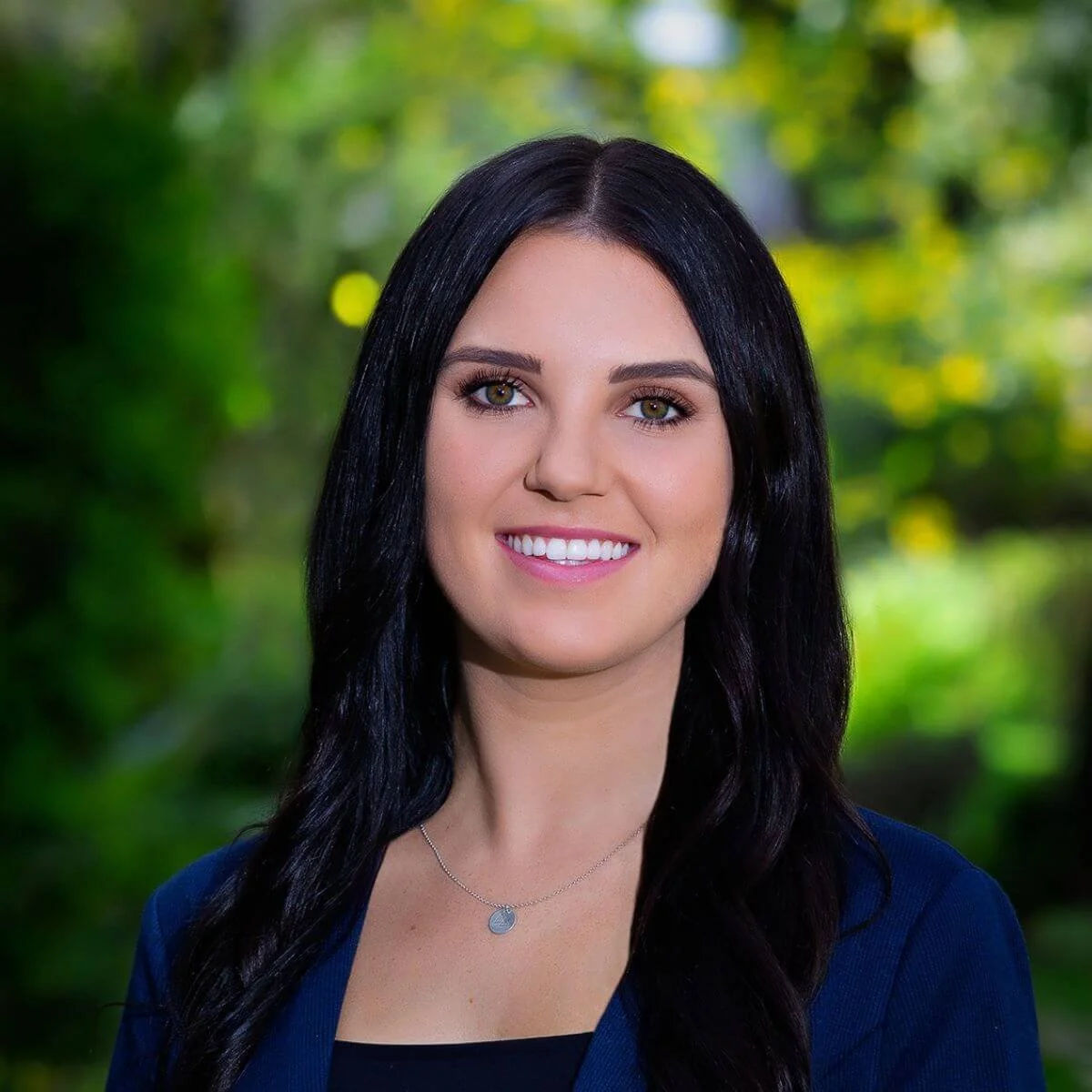
If you’re looking for relational trauma or attachment therapy in Texas or Massachusetts, I invite you to reach out. Whether you’re certain you’re ready or just exploring your options, we can start with a conversation.
Healing begins with one safe step.

Therapy in Texas & Massachusetts for:






Have Questions About Attachment Trauma Therapy?
Here are some of the most common questions about my services. If you have a question that’s not included here, please contact me at info@hollylarkpsychotherapy.com so I can get it answered for you!
-
Many people find themselves in similar relationship dynamics again and again. This often isn’t a coincidence, it’s your nervous system trying to find something familiar, even if it doesn’t feel good. Therapy for attachment trauma can help you understand these patterns and begin to shift them.
-
Attachment trauma can make closeness feel complicated. You might crave connection but also feel afraid of it. You may need a lot of reassurance or, on the other hand, feel the urge to shut down or create distance. These are common responses and they can change with support.
-
Yes, healing is absolutely possible. With the right support, you can begin to feel more secure in yourself and in your relationships. Over time, therapy helps you build trust, feel safer with closeness, and experience connection in a new way.
-
Attachment trauma therapy is a space where you don’t have to have it all figured out. Together, we gently explore your experiences, your relationship patterns, and the emotions underneath them. The relationship you build with your therapist becomes part of the healing by offering a new experience of safety, consistency, and understanding.
-
You’re welcome to schedule a free 15 minute consultation to see if this feels like the right fit. It’s simply a conversation, and a place to begin.